I spent years in harness racing. I know what a good Standardbred will do for you, and I know how quickly the business can move on when a horse stops earning. The horse still has a life ahead of him. What happens in those years is part of the business, too.
Some people in harness racing see it as a win when someone takes an unwanted horse off their hands. The horse isn’t making money anymore, the bills stop coming, and they can tell themselves, “At least he has a good home and a job.” That line makes it easy to dress up getting rid of a horse as doing him a favor. How do you know he has a good home if you never bother to find out where he ends up? And since when does having a job tell you anything about how hard he’s worked or how well he’s cared for?
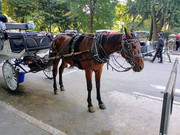
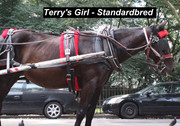
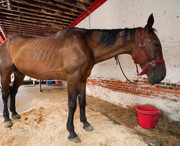
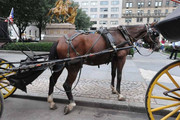
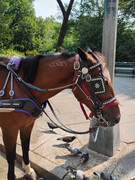
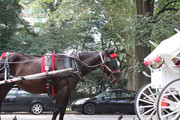
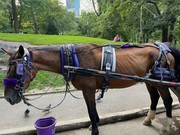
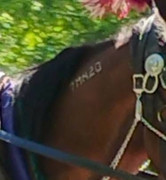
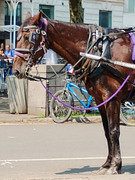
Look at Ryder. He was bred to race. After racing, he spent more than a decade pulling a buggy. Then he was put to work pulling a carriage in Manhattan. At 26 years old, he collapsed on Ninth Avenue. Ryder opened my eyes to the NYC carriage trade and got me involved in the fight to end it. His story started in your industry.
Carriage owners are responsible for putting these horses to work on city streets. Harness racing is responsible for what happens when the horses it breeds and races stop earning. State-backed subsidies help fund the purses. Some of that money should go toward tracking horses after their last start, retraining them, and making sure they have somewhere decent to go.
People in this business can tell you what a horse earned, who sired him, and how fast he went as a three-year-old. Ask them where he ended up after his last start. If the answer is “at least he had a job,” ask them if they ever went to see it.